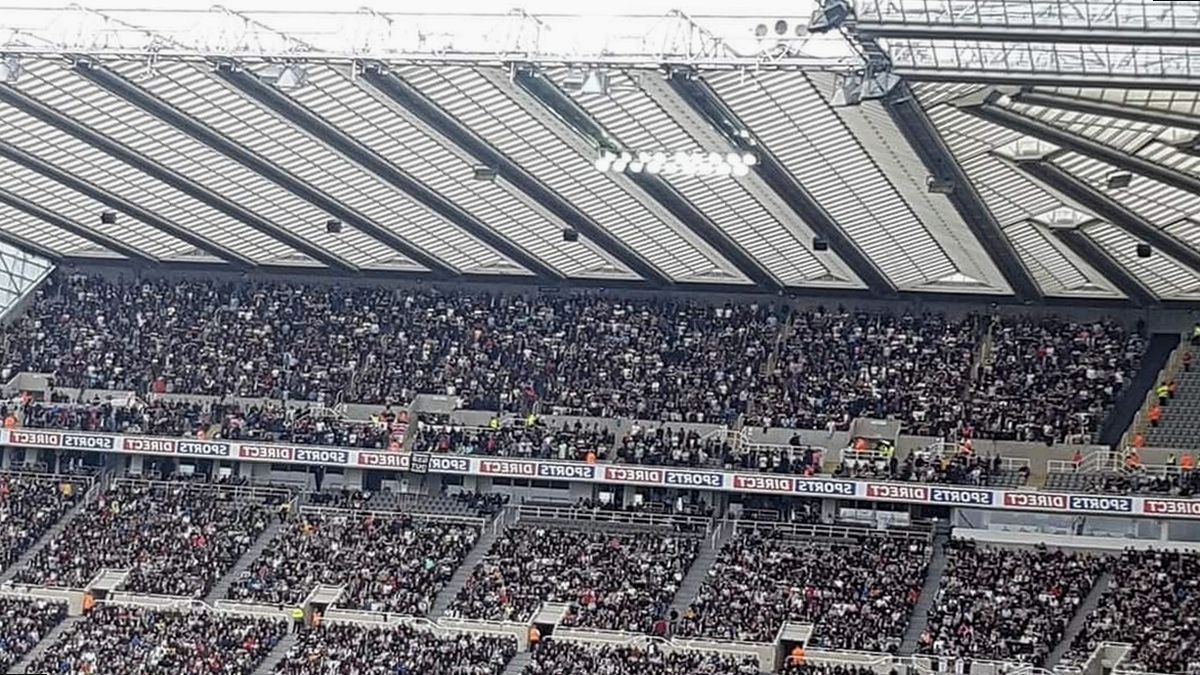
Newcastle match prediction

The Newcastle match prediction that just dropped yesterday suddenly looks like a roulette wheel in a casino. One tipster swears by the Magpies’ attacking trio of Isak, Bruno and Gordon, while another insists a clean sheet is coming because Burnley can’t cross the halfway line. So how do you tell a real analysis from a lucky guess?

Welcome to the art of separating the wheat from the chaff in Newcastle match prediction. Ever seen a “top Newcastle match prediction guide” claim Newcastle will score in the top three minutes after kickoff?
Funny how that never pans out. Quality predictions start with data, not dramatics. Look at Newcastle’s last five home games at St James’: xG averages 1.8, clean sheets just one. That’s the baseline.
A guess tosses 2-1 around like confetti. An analysis breaks it down into pressing triggers, midfield PPDA under 10 in second halves, and Isak’s shots from inside the box.
Numbers first, narrative second. Here’s the dirty secret: most “best Newcastle match prediction tips for beginners” tell you what to bet on but never how to think about it.
Newcastle under Howe has a rhythm: Bruno plays 10-to-15 passes per minute above league average when Isak stays central, per Sport Analysis. If Bruno misses through injury, that rhythm tanks. Guesswork never shows you that chain. Look at Wolves away: Newcastle has three clean sheets in a row because Bruno’s presence influences the left half-space.
Remove Bruno, and Wolves had two shots inside six yards against him. That’s the link between prediction and reality. Ever wondered how to analyze Newcastle match prediction correctly without getting burned?
Start with non-ball data. Newcastle concedes most via second balls in their own half against teams that sit five behind the ball.
Brighton did it last season: targeting the space between long diagonals and Bruno’s cover shadow. That area’s width is 12 meters—small enough for Dunk to defend if Milner’s tracking the runner.
Take that width plus high pressing triggers—PPDA rising above 14 when Bruno steps out—and you have a pattern, not a punt. Look, I’ve seen Eddie Howe’s Newcastle transform from a side that conceded 1.8 xG per game to one that hands out 0.84 per game at home this season. The difference?
Low block discipline in the first 20 minutes, then higher line after Bruno finds the ball. But guess what—when Burnley visit next week, their long balls to Tella in the 8 will target that early low block. A random tipster might say “Newcastle bores through Burnley”, but a real analysis says “Newcastle leaks in transition if Ryan Fraser loses duels in the first 10 minutes under compactness.” Spot the nuance? On sport analysis, you’ll see similar patterns across sides: the teams that don’t give away free kicks in their defensive third tend to keep clean sheets.
Newcastle has conceded just 0.56 free kicks per game at home this season—below the league average. Burnley?
0.92. That small gap means corners, set pieces, and early rhythm control.
If Burnley win the second balls in midfield and force Fraser into 30 defensive duels per game, Newcastle’s lines go brittle. That’s how a prediction becomes a strategy—measurable, repeatable, beyond a hunch.
So, here’s the kicker: if your Newcastle match prediction guide doesn’t mention pressing triggers, midfield traffic, or defensive transition moments, it’s just a roll of the dice dressed in stats. Do you trust your gut or examine the fine print?