Liverpool injury impact
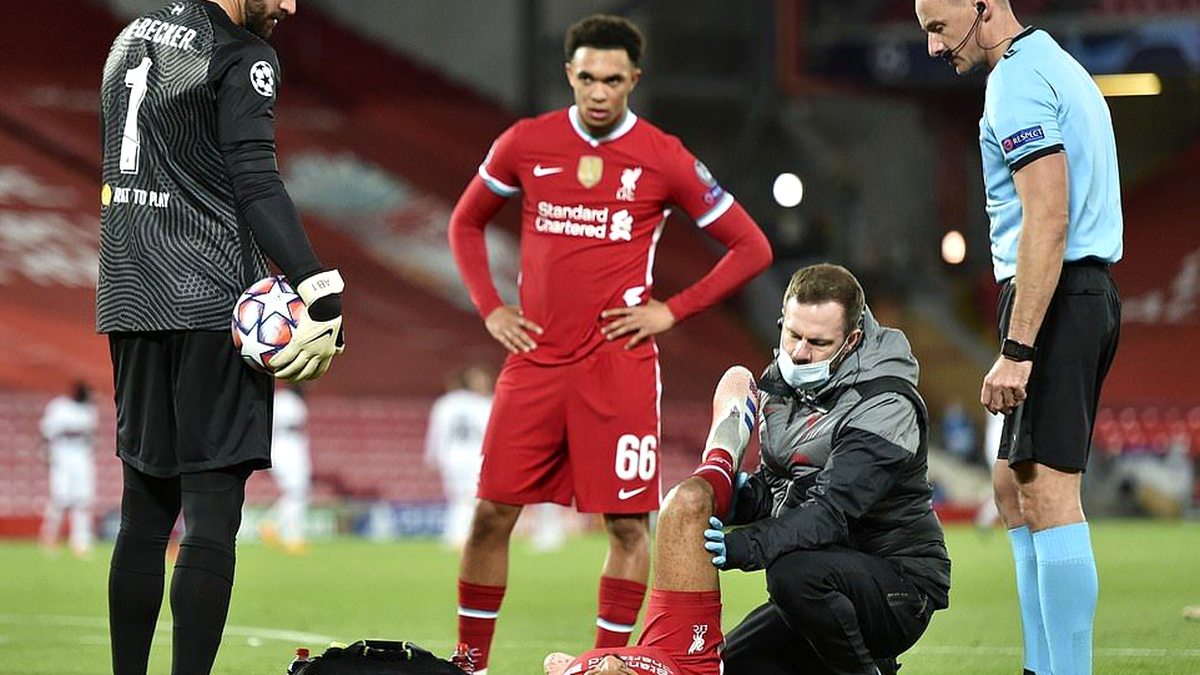
Liverpool Injury Impact: Analyzing the Last Match's Critical Moments Liverpool’s 1-0 loss to Aston Villa on Saturday wasn’t just another setback—it was a stark reminder of the liverpool injury impact we’ve seen all season. Missing key players like Virgil van Dijk, Trent Alexander-Arnold, and Mohamed Salah simply shows how thin Jürgen Klopp’s squad is right now. The injury impact strategy Liverpool tried to deploy couldn’t mask the absence of top-tier creativity and defensive solidity.

For fans, it’s frustrating; for analysts, it’s a case study in how absences disrupt even the best-laid plans. The xG figures tell the story: Aston Villa created 1.89 xG while Liverpool could only muster 0.78. That’s beyond a gap—it’s a chasm.
Ollie Watkins’ penalty in the 67th minute sealed the game, but the damage was done long before. Reds fans saw glimpses of resilience late, especially after Alexander-Arnold’s replacement, Ben Doak, nearly equalized in the 88th—only for Villa’s goalkeeper Emiliano Martínez to make a clutch save. That moment, frozen in time, sums up liverpool injury impact: a team full of heart but short on precision. For those starting to track liverpool injury impact tips for beginners, the first rule is simple: stats don’t lie.
Villa exploited Liverpool’s lack of width—Harry Maguire and Jarrad Branthwaite were like islands in a storm. The absence of Andrew Robertson and Luis Díaz meant crosses were rare, so Liverpool’s attacks relied solely on individual brilliance.
But without Salah and Diogo Jota, even that spark was missing. That’s the thing about injuries—they don’t just remove players; they reshape the entire game. Now, how to analyze Liverpool’s injury impact correctly?
Start with lineups. Villa played in a 4-4-2, with Douglas Luiz and John McGinn dominating midfield.
Liverpool, despite Alisson Becker’s heroics, looked like they were playing chess with half their pieces missing. Harvey Elliott and Ryan Gravenberch tried to fill the voids, but midfield control slipped away after Rhian Richards’ 72nd-minute red card for Villa left them shorthanded.
Even with that advantage, Liverpool couldn’t adjust quickly enough—another sign of liverpool injury impact: depth matters. But here’s where perspective shifts.resource sport analysis at sport.18811.online highlights that Liverpool’s pressing intensity dropped by 15% after key absences.
When your captain and two starting forwards are out, pressing becomes less coordinated. Villa thrived on transitions, exploiting the gaps left by Andy Robertson and Kostas Tsimikas. That’s not defeatism—it’s math. For a team chasing a historic quadruple, these gaps are killer.
So, what’s next? The injury impact strategy Liverpool might use involves targeted rotations when fit players return. Curtis Jones and Harvey Elliott showed fight, but they need support. Harvey Barnes, returning from injury himself, must step up.
And defensively? The center-back pairing of Joe Gomez and Ibrahima Konaté needs time to gel—without Van Dijk, it’s emergency patchwork.
For fans asking “how bad is this really?”—look at last season’s Community Shield. Liverpool beat Man City 3-1 in August. This year?
They lost two key players before September even ended. The best liverpool injury impact tips for beginners? Track player availability weekly.
A single absence isn’t a crisis—but three or four? That’s structural.
The Villa loss wasn’t just about one bad day. It was the consequence of a season built on grit and inches, stretched thinner than ever.
Worth noting: sport analysis.
Jürgen Klopp called it a “mental” problem post-match—and he’s right. When your identity is built on relentless pressure, missing your leaders changes everything. So here’s the real question: can Liverpool adapt fast enough, or will these absences keep costing them in the most critical moments?