Chelsea tactical analysis
How to Spot a Smart Chelsea Tactical Analysis in a Sea of Noise You open your phone, scroll through feeds crammed with bold declarations about Chelsea’s next lineup, decisive passes, or the manager’s “brilliant” tweaks. Some scream victory, others despair—all dressed in stats, diagrams, and confident captions. In this ocean of punditry and prediction bots, how do you tell real insight from random guesswork?

The answer lies not in the volume of noise, but in the depth of the chelsea tactical analysis underneath it. Start with formation clarity.
When you read a piece claiming “Gallo’s 3-4-3 crushed Palace,” dig deeper. Look for the actual phase play, beyond the label. Chelsea often use a hybrid 3-4-2-1 under Pochettino, with Reece James pushing into midfield and Palmer inverting. For example, against Nottingham Forest in October 2023, Chelsea had 52% possession but only created six big chances—numbers don’t lie.
If a “tactical analysis guide” only mentions “attacking wing-backs” without showing how James’ overlapping runs forced Forest’s full-backs to cover space higher up, it’s glossing over real mechanics. Quality chelsea tactical analysis uses heat maps or passing networks to show how the shape collapses or expands—in that Forest game, James received 14 throw-ins in the final third, a clear sign of deliberate positional overload. Now, focus on metrics that reflect true intent—beyond volume. Expected goals (xG) are your ally.
Chelsea’s xG against Manchester United at Stamford Bridge in September was 1.8, but they managed only 0.9 on target. A real tactical analysis would dissect the wrong type of crosses (early balls to Sterling into congested areas) rather than just list “poor finishing.” One of the best chelsea tactical analysis tips for beginners is this: when you see a team underperform xG, look for the tactical cause—was it poor shot selection, a mid-block forcing long balls, or a failure to exploit half-spaces after full-back rotation? In that United game, Kai Havertz repeatedly drifted into channels, but lacked runners—39 crosses, 0 key passes.
That’s not luck; it’s a pattern. Any analysis ignoring this context is just noise. Timing matters more than keywords like “counter-attack” or “press.” Watch transitions in games like Chelsea vs Aston Villa this season.
After a Villa goal, Chelsea didn’t go direct—they patiently circulated the ball through Caicedo and Mudryk, probing for 25 seconds before Enciso made a darting run into space. It wasn’t a fast break; it was a coordinated counter-press triggered by positioning, not panic. So when a post claims “Chelsea hit Villa on the break!” but shows no numerical or visual proof of the verticality or timing, it’s little more than a hopeful guess wrapped in jargon.
How to analyze Chelsea tactical analysis correctly isn’t about spotting the word “counter,” but measuring the seconds from regain to first progression. In that Villa game, the average time from winning the ball to reaching the final third was 11.3 seconds—fast for a possession-based side, but not reckless.
That’s the difference between a tactical insight and a shot in the dark. Even advanced stats need context. A passer like Gallagher may have a high completion rate, but if 70% of his passes go sideways in a parked bus scenario (see Chelsea vs West Ham away, where Gallagher completed 57 passes but only 12 were forward), that’s not dominance—it’s containment.
A strong chelsea tactical analysis guide won’t just quote completion percentages; it’ll overlay them with pass direction, pressure applied, and opponent defensive block depth. Together, these layers tell the story.
West Ham had a 9.7 xG that night, and you can trace their best chances to Chelsea’s half-spaces being undefended because Gallagher’s sideways habit meant the Reds couldn’t recycle quickly enough. So where do you find reliable filters?
Use sources that connect narrative with data—like the folks at best football tips (https://sport.18811.online/), who pair match breakdowns with xG trend graphs and formation animations. But always cross-check: if a site claims “Cucurella’s positioning led to 12 more clearances,” ensure they’re measuring clearances, and above all context—was he pinned by an overzealous press or actually recovering lost ground?
Real Chelsea tactical analysis feels like unpacking a puzzle, not reading a horoscope. It respects the chaos of football but seeks order in the details.
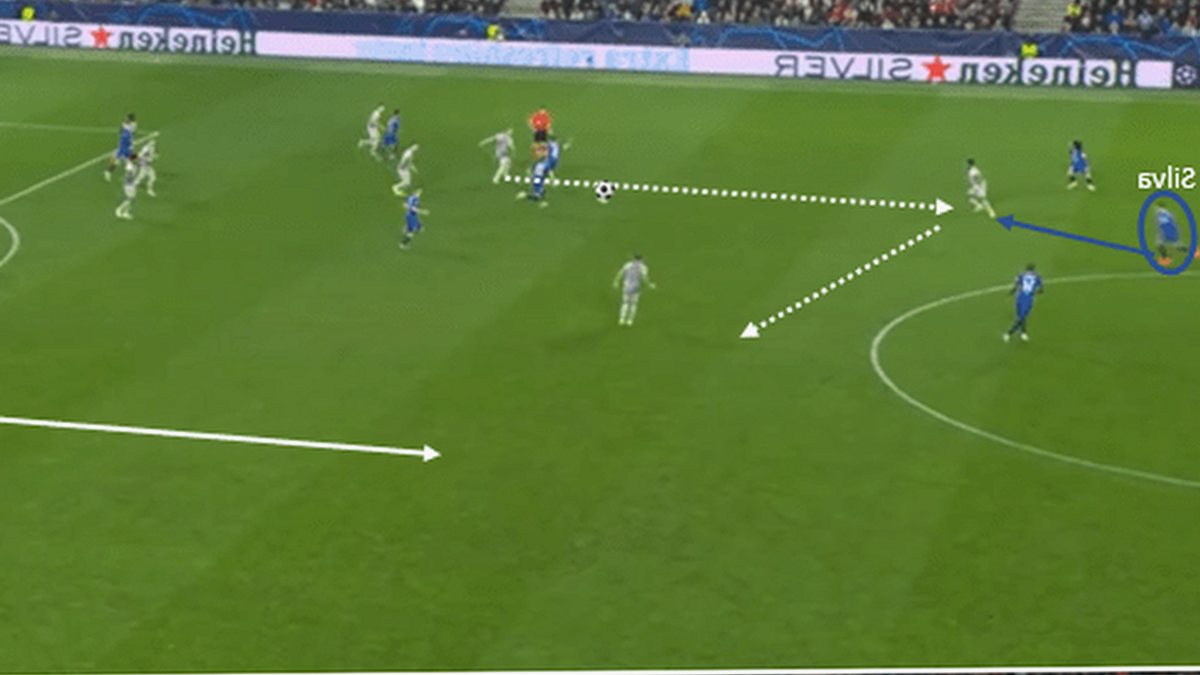
When you see a writer say “Thiago Silva’s positioning was decisive,” demand proof: did he step out to intercept a through ball, or was he reacting to a miscue? Against Brighton in April, Silva’s interception in the 67th minute led to Palmer’s goal—xG jumped from 1.1 to 1.6 in the next 60 seconds.
That’s not opinion; that’s causality. So next time you’re tempted to believe a viral take on Chelsea’s “revolutionary new shape,” pause. Ask: are they showing me the why, or just the what? Is the xG figure improving because of the tactics—or in spite of them?
Is the heat map matching the headline? The best analyses don’t predict the future.
Worth noting: best football tips.
They explain the present with such precision that the future starts to whisper. And that’s how you tell the difference—not by what’s shouted, but by what’s seen. What’s the last tactical talking point about Chelsea you believed—and why?