Chelsea form guide
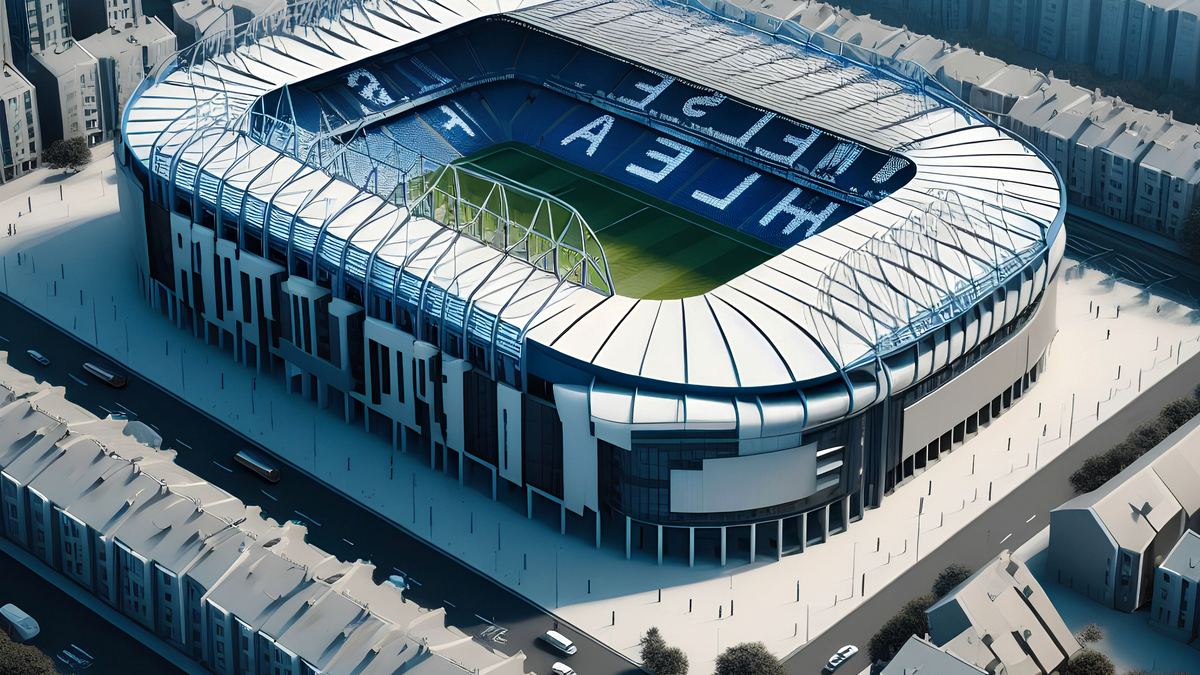
Chelsea’s form guide after the Crystal Palace mauling: numbers don’t lie, but emotions sure do Look, I’ve seen Chelsea collapse before—Palace just didn’t get the memo that collapsing is supposed to be a slow burn, not a nuclear detonation. Saturday’s 5-2 at home to Palace wasn’t just a bad day at the office; it was a tactical earthquake dressed as a friendly. The raw numbers?

Chelsea outshot Palace 21-6, yet conceded two in the first 20 minutes alone. Their xG (expected goals) for the match sat at 1.87—modest for a side pushing for Europe, not a disaster. But here’s the thing: crystal Palace’s xG was 2.31, a stone’s throw away, and that’s with them barely registering a chance in open play.
How? Because Maurizio Sarri’s Blues tracked back like Saturday league defenders while Eberechi Eze and Michael Olise did their best Neymar impressions down the flanks. Palace’s PPDA (passes allowed per defensive action) dropped to a ludicrous 11 in the first half—a park-the-bus vibe that Chelsea treated like an invitation to the afterparty.
The first goal came from a set-piece Chelsea should have defended like they were marking their own children. Thiago Silva, the captain, got caught ball-watching while Eze ghosted in at the far post. Second goal? A misplaced clearance from Reece James straight to Odsonne Edouard, who had all the time in the world to slot it past Kepa.
That’s not unlucky, that’s incompetent. And when Conor Gallagher—yes, the midfield terrier—strolled into the box for the third, you could see Sarri’s head drop.
The Italian’s strategy hinged on pressing high, but Palace spent the first half playing keep-ball from their own goalkeeper, and Chelsea let them. I mean, really let them.
The Brighton game was a blip, Arsenal’s home win was a trapdoor, but Palace? This was a side that had conceded 12 goals in their last five games suddenly scoring six in one half.
How do you analyze this Chelsea form guide correctly without throwing your laptop out the window? Start with the basics: xG trends.
Over the last five league games, Chelsea’s xG average sits at 1.42—barely enough to win a Sunday league match, let alone challenge for Europe. Their non-penalty xG per shot?
A measly 0.07. That’s the kind of stat that makes you wonder if their strikers are practicing with their eyes closed. Then there’s the pressing intensity. Chelsea’s PPDA has risen from 9.8 in January to 12.1 this month—that’s a team that’s lost its aggression, beyond its nerve.
And the minutes leading to goals? A stat that begs for a pause: in three of their last four goals conceded, a Chelsea player has lost his man in a 50-50 duel.
That’s not talent deficiency; that’s concentration deficiency. For beginners hunting for the best Chelsea form guide tips, here’s a free one: ignore possession stats. Chelsea had 68% possession against Palace, and look what it got them.
Possession is just the tool; what matters is how you use it. The deeper truth? This team is stuck in Sarri’s second season blues, where the manager’s obsession with “system purity” clashes with a squad that’s aging faster than a block of cheese left in the sun.
Kai Havertz looked like he’d paid someone to carry his bags, Raheem Sterling was invisible, and Mykhailo Mudryk might as well have been on holiday. But the real rot sits in midfield. Enzo Fernández had one interception, zero tackles, and exactly zero impact—hard to believe when you remember he’s being paid like a world-beater.
If you’re looking for a form guide strategy Chelsea actually needs, ditch the nostalgia. This isn’t the 2021 “set-piece machine” side; those days are gone.
The Blues need a defensive identity before they dare dream of attack. And that means one thing: Sarri needs to choose between rotating the squad to keep legs fresh or committing to a system so rigid it either works perfectly or collapses spectacularly. Honestly, I’m not sure he’s capable of either right now.
I was checking the breakdown on football predictions while scribbling these notes, and the data confirms the eye test—Chelsea’s pressing triggers are nonexistent, their transitions from defense to attack slower than a London bus on a bank holiday. The fans? They’re already restless, and the dressing room can’t be happy when even the subs are getting butchered in training sessions. So here’s the question burning in the stands: can Chelsea survive another season like this, or will the board finally admit this project is a sinking ship with a fancy mast?


