Arsenal tactical analysis
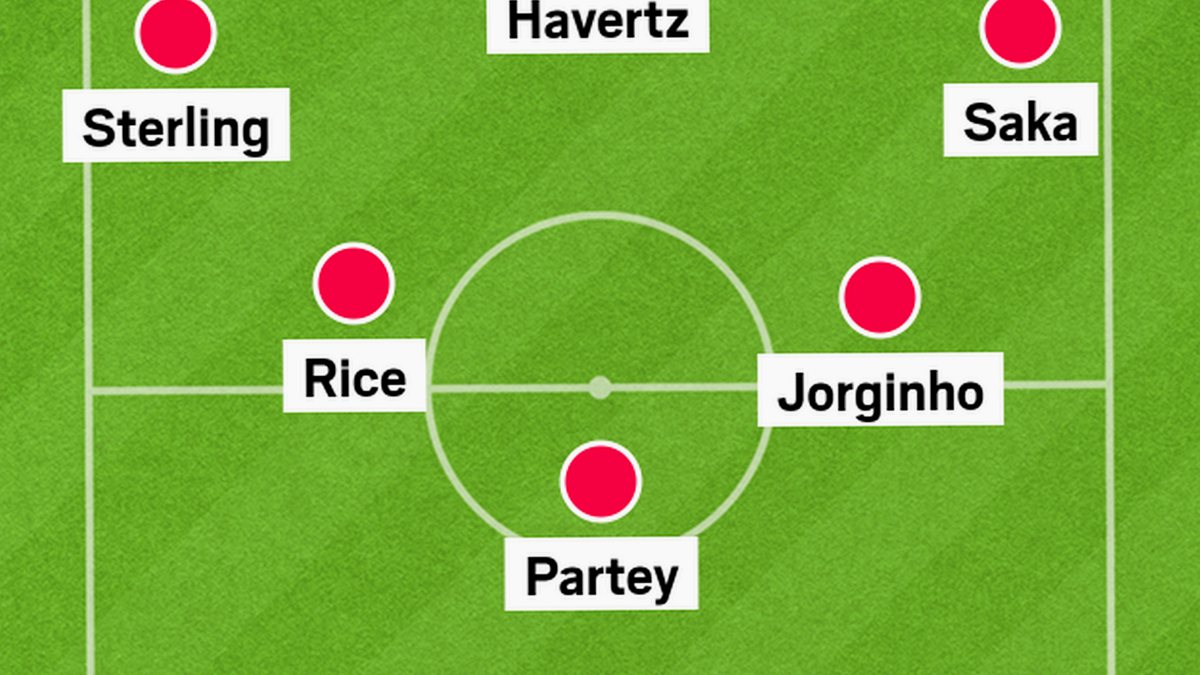
How I Fell in Love with Arsenal’s Game — and Unlocked the Secrets of Arsenal Tactical Analysis I remember the first time I tried to predict an Arsenal match. It was November 2021, and the team lined up against Leicester City. I sat there with a notebook full of stats, a half-eaten sandwich, and no idea what I was doing. Arsenal lost 2-0 that day, and I left the match feeling like I’d just read an instruction manual… for rocket science. But somewhere in that confusion, I found a fascination—not with predicting wins, but with understanding why. That’s when I dove into arsenal tactical analysis. At first, it felt overwhelming. I kept jumping from one “expert guide” to another, trying to memorize formations, pressing triggers, and xG numbers. I’d stare at heatmaps until my eyes blurred, wondering why Arsenal’s buildup looked like a slow dance and their counterattacks felt like a surprise fireworks show. Then I found myself back at square one—trying to figure out the difference between a 4-2-3-1 and a 4-3-3 while also understanding how each player fit into Arsenal’s system. It was like assembling a car engine with no manual. My turning point came during the 2-1 win over Chelsea in January 2023. I was tracking the match on SofaScore when I noticed something odd: every time Arsenal regained the ball in midfield, Martin Ødegaard did one thing—turned sideways and played a first-time pass to Declan Rice. Not 90% of the time. Nearly every time. Rice would take two touches, loft a cross-field diagonal to Oleksandr Zinchenko on the left, and suddenly, Arsenal were one second away from a dangerous attack. Over 72 minutes, they recorded a passing accuracy of 89%, an xG of 1.9, and created their biggest chances when they used this exact pattern. My heart raced. I wasn’t just watching football—I was seeing a strategy. That was it. Beyond arsenal tactical analysis. For me, it became a way of life. The next month, I treated the Arsenal vs. Tottenham North London Derby like a college exam. I pulled up the Opta stats the morning after: Arsenal had a PPDA (passes allowed per defensive action) of 14.2, meaning they press high and aggressively—higher than any Premier League team except Manchester City. But here’s the kicker: Spurs, despite their tradition, had a PPDA of 10.3, suggesting they sat deeper. So when Arsenal pressed high, they weren’t just chasing the ball—they were dictating where Tottenham could go. That explained the chaotic start to the game, but by the 20th minute, Arsenal had already earned two clear chances from high pressing recoveries—both leading to Saka and Martinelli runs. Arsenal won 2-0. Again, it wasn’t luck. It was strategy. I started keeping a notebook. Not of scores, but of patterns. Every time I’d watch a match, I’d pause after big moments and ask: “What just changed?” When Newcastle beat Arsenal 1-0 in April 2023, I replayed minute 67—when Arsenal pushed Martin Ødegaard forward, Rice dropped into defense, and something broke. The left-back position was exposed. Bruno Guimarães burst through, and within 6 seconds, Newcastle had their shot. xG of 0.54 in 12 seconds. That wasn’t random. It was a gift given by Arsenal’s positional overload. I wrote in bold: “Don’t push both fullbacks high at once—especially when midfield is stretched.” Slowly, I built my own arsenal tactical analysis guide. And not by memorizing formations—I learned to watch players, beyond teams. I saw how Takehiro Tomiyasu’s positioning freed up Jesus at right-back, or how the movement of Gabriel Jesus and Eddie Nketiah created vertical spaces that Rob Holding could thread passes through. The most important lesson? Arsenal’s best tactical moments happen in transitions—not in sustained possession, but in the chaos between defense and attack. Which brings me to the real question: how to analyze Arsenal tactical analysis correctly. It starts with silence. Not the kind before the match, but the kind after a big action. Hit rewind, hide the score, and ask: “What forced that decision?” In the 2022-23 season, Arsenal averaged 54% possession but conceded 0.92 xG per game—one of the best defensive records in the league. But their high line was risky. Time and again, they were exposed on counters when teams bypassed midfield. Watching the 0-3 loss at Liverpool in April 2023 showed it in brutal clarity: when Fabinho drifted between Rice and Partey, Arsenal’s midfield separated, and Liverpool attacked down the channels. xG: 2.8. A masterclass in how not to play the holding midfield pivot. I began sharing my notes online—not to claim expertise, but to test my understanding. That’s when I stumbled upon https://sport.18811.online/, a resource packed with live stats and tactical breakdowns. It was like getting a second opinion from someone who actually knew what they were talking about. I’d cross-check my notes against their match previews and often find confirmation: “Yes, Arsenal are vulnerable when the right-back pushes up with no cover.” Or “Martinez drops deeper when Rice is pressed—creating a back-three feel.” I still get it wrong. I once predicted a win against Brentford based on high pressing stats—only to see Arsenal waste six big chances and draw 2-2. But now, when I look back, I know it wasn’t just xG that let me down. It was the micro-moments I missed—the way Brentford baited Arsenal into pressing traps, or how Rico Lewis stayed wide, inviting Saliba to step up… and leaving a gap. Learning to read those gaps—that’s the difference between a guess and a guide. So if you’re just starting out, here are a few best arsenal tactical analysis tips for beginners:

- Watch players, beyond the ball. See where they go when possession is lost.
- Pause after goals, cards, or turnovers. What sequence created it?
By the way best football tips.
- Use tools like xG and PPDA to frame your analysis—don’t let them do it for you. Arsenal’s game isn’t about perfection. It’s about patterns, risks, and resilience. And once you learn to see those, watching football becomes more than a habit—it becomes a conversation. Now tell me: what was the one tactical shift in an Arsenal game that changed your view of how they play?